
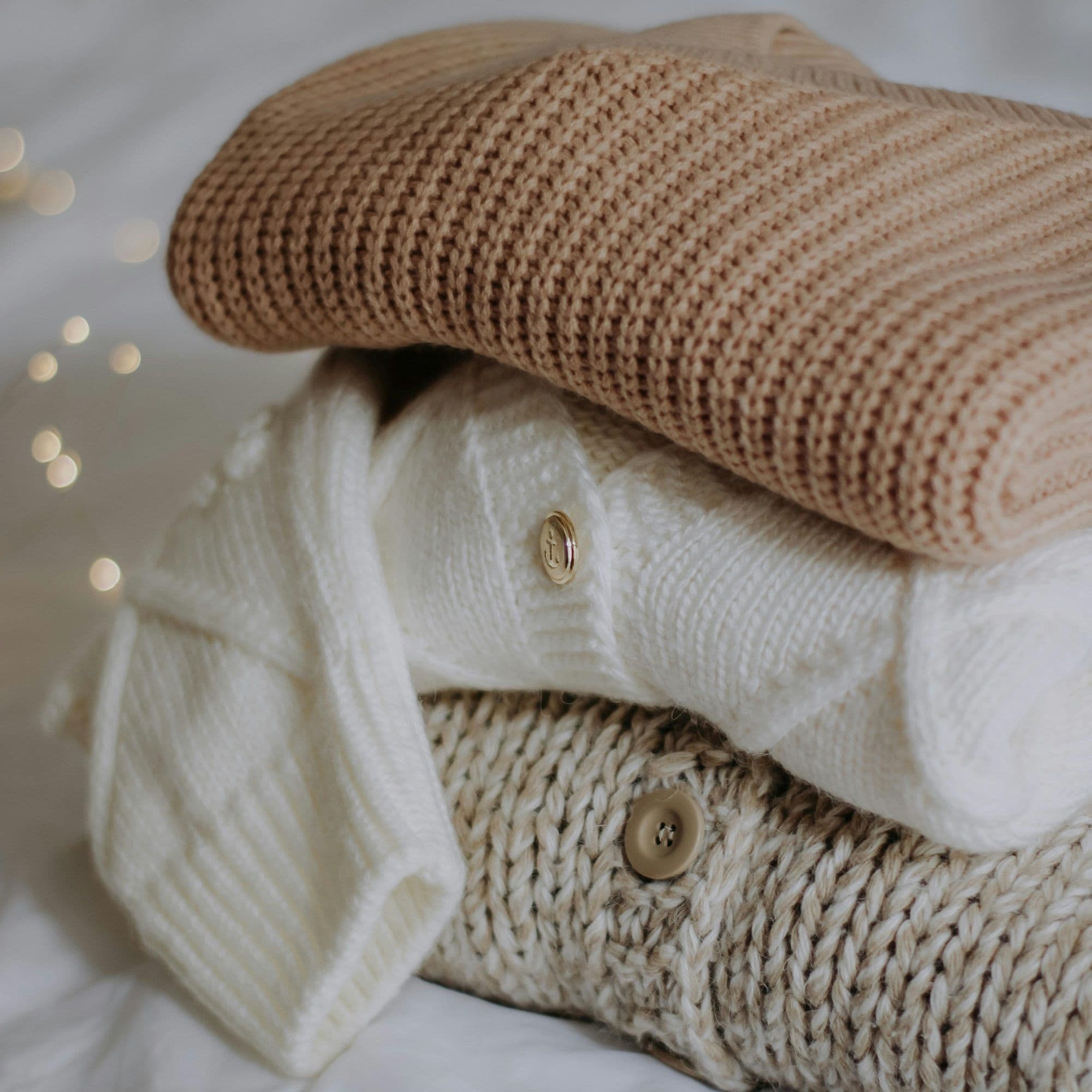
If your household moth problem is affecting your clothes then we've found some of the best recommended moth repellent & deterrent protection that will significantly help to prevent or kill moths & reduce moth eaten fabric. We stock natural cedar or essential oil as well as manufactured wardrobe moth killer balls, spray, catcher trap repellent & deterrent for clothes & carpet as well as moth proof clothes & garment storage bags. A number of our products can be used as a wool moth killer & items like cedar rings can be useful in a wardrobe. Effective anti moth products offer instant protection & future prevention by acting as a moth, egg & larvae killer so no more moths will hatch after your current infestation. We stock products that are excellent moth repellent & killer for woollen clothes, drawers, cupboards, wardrobes & carpets. So whether or not you prefer a natural cedar or oil moth repellent for clothes and moths or a manufactured solution like moth balls rest assured you'll find a moth killer that's suitable for a number of different areas in your home.
Moths and Clothes
Clothes moths are a problem in many a household and unfortunately initially it requires a bit of organisation and determination to eradicate any moths you already have and deter new moths ever returning! But fortunately once you've invested in some tried and tested deterrent products and placed them in the best areas of your home then many of them last a lifetime and can be used year after year.
The moth that causes problems for clothes is known as the tineola bisselliella moth, also sometimes called a webbing, or clothes / cloth moth. It's light brown almost golden and very small, no more than 1cm (up to 2cm when wings are open) so they're not always easy to spot.
As an adult these moths don't cause damage, but their eggs do! The eggs are so small they're almost invisible and even when they turn into caterpillars (lavae) they are barely 1cm.
The problem is the main food source of the caterpillar is animal based materials (hair & fur) which translated means woollen clothes, carpet, upholstery, and all items made of silk (derived from silk worm) or animal fur.
Cotton is not a target for moth lavae because it's plant based so focus your efforts on protecting wool, silk and fur from moths.
How To Get Rid Of Moths
Clothes moths are around all year but like most insects their population is bigger during the spring & summer.
If you believe moths are eating your clothes or see what you believe to be a clothes moth (small light brown 1 - 2cm), the lavae (small 1cm caterpillars) or holes start appearing in some clothes immediately start to follow our easy 3 STEP MOTH ACTION PLAN:
1. Quarantine
Check all your clothes & separate the garments that are already damaged or you believe may have more eggs in. Place in airtight vacuum bags to prevent any new lavae that's born escaping and spreading to the rest of your clothes, carpets and furniture.
2. Clean
Clean all clothes storage areas to remove and / or kill the flying moths, the lavae (eggs that have already hatched into caterpillars), and any unhatched eggs (there will be many if you already have caterpillars).
This is probably best done by emptying all wardrobes & drawers where clothes are stored.
You can shake much of the eggs & lavae off clothes onto floor then vacuum clean the floor. You may also want to use a chemical fabric spray to kill any remaining eggs & lavae for peace of mind.
It's a personal choice whether or not you want to exterminate flying moths. They themselves don't do any eating themselves so natural strongly scented spray is usually enough to make them fly away and not return to lay more eggs. As long as they don't come back and lay more eggs they won't bother you again!
Thoroughly vacuum clean all your carpets, wardrobe, drawers and all corners and crevices like carpet rods along the edge of skirting boards. Empty vacuum cleaner waste contents in an outside bin or in a tied plastic bag placed outside, do not leave it inside because if it contains eggs or lavae caterpillars they'll spread.
Consider using anti moth fabric spray on any carpets, cushions, throws, curtains or upholstery you believe may have wool, silk or fur in.
Machine wash all clothes from the affected area in as hot a temperature as possible, or dry clean sensitive garments.
Freeze any particularly expensive or precious items for 48 hours to a week to kill lavae. This also prevents the need to wash or dry clean everything immediately.
3. Deter
Now that your clothes storage areas are clean, prepare them with moth repellent products before putting your clothes back.
In wardrobes it's a good idea to use scented products with smells that moths don't like. These include cedarwood & lavender which comes in various forms to place or hang in or near clothes including on clothes hangers. Sticky moth traps are also a popular choice on wardrobe rails to catch any flying moths, hopefully before they lay eggs.
In drawers it's advised to place anti moth scented products in between folded clothes. These can be natural like cedarwood, lavender or some essential oils, or they can be man-made like old fashioned smelling resin moth balls.
Scented sprays can also be used on all items including non clothing like carpets & curtains. We offer both natural & chemical fabric sprays depending on what you prefer. Some chemical sprays can kill eggs & lavae on contact for up to 12 months just from the chemical coating that they leave behind. However if you're confident you've cleaned an infested area thoroughly then the only way any new eggs & lavae can be present is if adult moths return to the area to lay, so in theory natural repellents should be enough.
We also offer scented room sprays containing the scents that repel moths if you don't want to spray fabric but still want your wardrobe or drawers to smell nice and deter moths at the same time.
How To Stop Moths Returning
Once you've completed our 3 step moth action plan above all you need to do is maintain the 3rd step which is to always deter moths.
You can achieve this by keeping all your anti moth scented and sticky trap products well maintained in the locations you originally placed them. And always keep in mind which clothes, carpets, curtains & furniture are made of animal fibres in your home to ensure they're sprayed regularly with a natural or man made anti moth scent.
Cedarwood products can be kept smelling strongly by sanding with sandpaper and / or applying drops of cedar essential oil when desired.
Drops of lavender essential oil can also be used to refresh natural lavender bags, inside unvarnished wooden furniture like drawers & wardrobes or to fragrance small pieces of old fabric that are great to place amongst clothes.
Wood & certain plant scented room & essential oil fabric sprays are excellent for maintaining a moth unfriendly room environment all year round, but they smell nice for humans!
Man made sprays are also good for fabric but smell less pleasant as a room spray, however a small number of such products are now made low odour.
Replace the adhesive sheets in moth traps when they no longer feel sticky to touch.
Moths don't return to the same place every year and they only lay eggs where there's a source of food (wool, silk, or animal fur) so if you've followed our 3 step moth action plan there is no reason for you to keep having a moth problem.
Good luck!